1. The oldest form of air travel
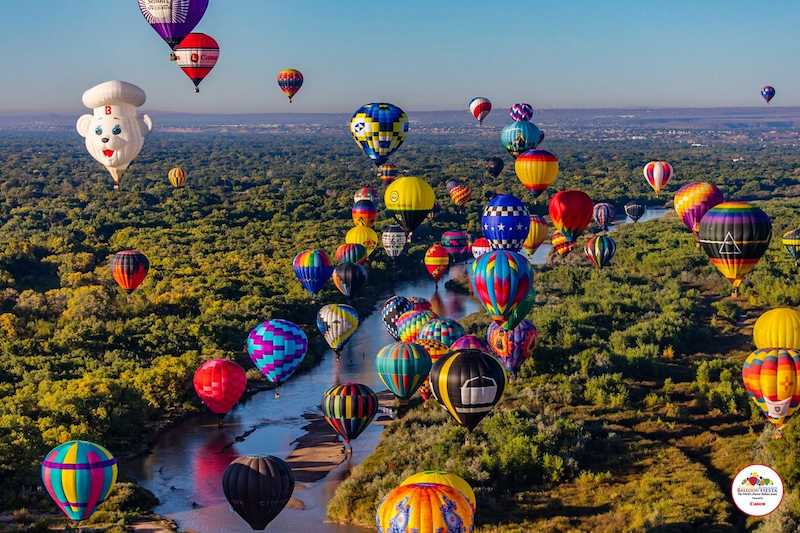
Hot air balloons have a rather impressive history. They are considered the very first technology that made it possible for humans to fly. Today, we mostly think of planes and helicopters when we talk about aviation, but our journey into the air actually started much earlier – way back in 1783.
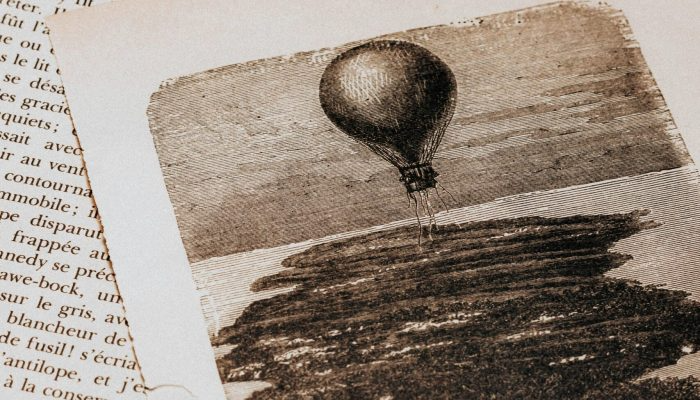
That was the year when the French brothers Joseph and Étienne Montgolfier built a balloon made of silk and paper. They filled it with hot air, which came from a fire where they burned wool and straw.
Their first public demonstration was held in front of King Louis XVI and Queen Marie Antoinette at the Palace of Versailles. It was quite a big event, and fortunately, it went well.
The balloon rose to about 600 meters in height and flew just over a kilometer. It was the first time people saw that it was actually possible for humans to get up in the air. And just two months later, the first flight with people in the basket became a reality. It marked the beginning of a new era where curiosity and discovery took off.
The funny thing is that hot air balloons were never really used for travel or transport. They weren’t very practical for that. Instead, they became the start of something bigger – an important first piece in the development of everything that came after.
From the very beginning, ballooning was about exploring, pushing boundaries, and seeing what was possible. And even today, the tradition lives on. There are still many who love to fly in balloons, and it remains a symbol of adventure and discovery.
So the next time you take a balloon ride, remember that you’re actually helping to keep a very special and proud tradition alive.
2. The roots of air technology go back to ancient China

3. Deadly love
Jean-François Pilâtre de Rozier, a pioneering French scientist, was the first person ever to ascend in a hot air balloon.
On November 21, 1783, he and Marquis d’Arlandes completed a historic flight over Paris. It became an important moment in aviation history and proof that human flight was possible.
Unfortunately, Pilâtre’s great passion for ballooning also led to his early death.
In 1785, he attempted to cross the English Channel in a special balloon that combined hot air and hydrogen. But during the journey, the balloon caught fire and crashed. Pilâtre de Rozier thus became the first known person to die in an aviation accident.

4. Caught with their pants down

5. Champagne landings – a tradition high up in the air
In the 1700s, the first balloon pilots encountered a rather unexpected problem – angry farmers. Back then, it wasn’t every day that you saw something as strange as a huge, smoking balloon coming down from the sky. Many thought it was something supernatural or maybe even an attack. Some were so frightened that they destroyed the balloons before the pilots even had a chance to say anything.
But how do you win the trust of someone who thinks you’ve fallen from the sky with evil intentions? The early balloon pilots quickly found the answer.
They began taking champagne up in the balloon. When they landed, they would approach the nearest farmers and pour a glass as a friendly gesture. It became both a peace offering and a way to celebrate a successful flight.
And believe it or not – the tradition is still going strong today. To this day, many balloon flights end with a glass of bubbly. It’s a cozy ending and a way to keep history alive. Some pilots even read out a special balloon prayer, which goes like this:
“The winds have welcomed you with softness,
The sun has blessed you with its warm hands,
You have flown so high and so well,
That God has joined you in your laughter,
And set you gently back again
Into the loving arms of Mother Earth.”
So the next time you toast with a glass of champagne after a balloon flight, remember that you’re part of an old tradition. It’s not just about bubbles in the glass, but also about peace, joy, and sharing something special with each other.